Demographic and other trends are increasing demands placed on the judicial system. History of the evolving requirements to provide legal representation for the indigent and the various mechanisms to address the need.
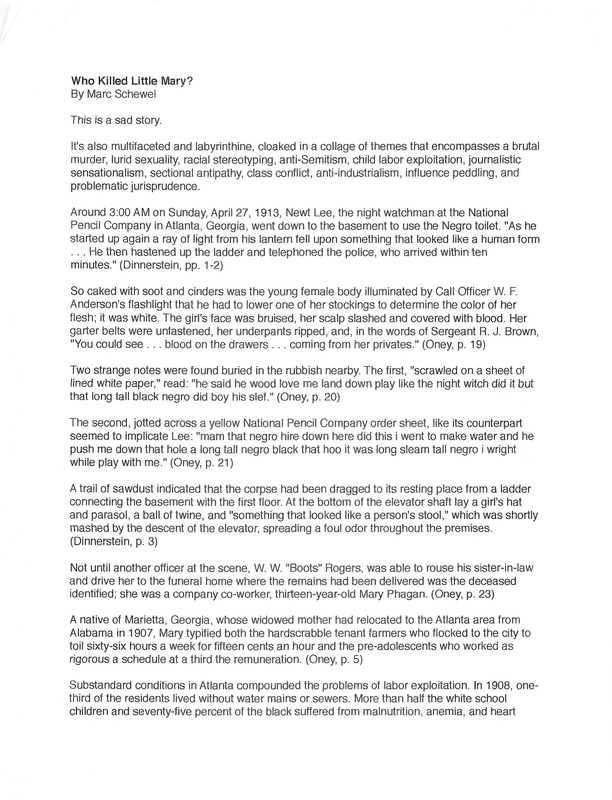
Text of a lecture delivered to the Sphex Club in Lynchburg. This paper, titled "Who Killed Little Mary?" by Marc Schewel, delves into the complex and harrowing case of Mary Phagan's murder in 1913, highlighting the societal and judicial intricacies that led to the conviction of Leo Frank. Schewel explores themes such as racial prejudice, anti-Semitism, and the impact of media sensationalism on the legal process. Through a detailed examination of the investigation, trial, and public reaction, the paper reveals the multifaceted nature of justice and its susceptibility to external influences. Schewel's work underscores the intertwining of social attitudes with the pursuit of justice, offering a nuanced perspective on a historically significant legal case.
Text of a lecture delivered to the Sphex Club in Lynchburg. Eric J. Sorenson discusses the early development of Christian dogma, particularly focusing on the nature and identity of Jesus Christ. It traces the ambivalence about Jesus's divinity, the impact of the crucifixion and resurrection, and the subsequent doctrinal disputes among early Christians. The paper highlights key figures, heresies, and theological debates that shaped orthodox Christian beliefs, culminating in the Council of Nicea.
Melvin R. Watson's paper "Whose Life Is It Anyway?" discusses the right-to-die issue through real and fictional cases, including Ken Harrison, Larry McAfee, and Nancy Cruzan. Watson examines ethical, medical, and legal perspectives on euthanasia and patients' autonomy. The paper highlights evolving attitudes towards passive and active euthanasia and emphasizes the importance of Living Wills in ensuring patients' end-of-life wishes are respected.
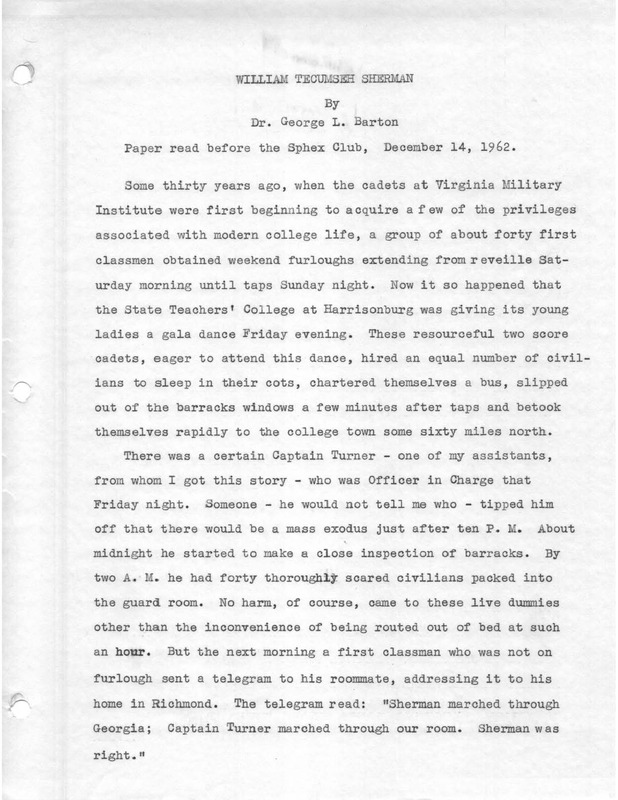
For his gallant actions throughout WW II, James A. Huston received many of the highest military awards presented by France and the United States. Dr. Huston highlights several of his books. His main focus in the presentation centers on his special relationship with President Harry Truman and the major accomplishments Truman made during his years as president.
Scanned images of the Will of Thomas Potter dated 30 January 1854. This document is part of Jones Memorial Library Manuscript Collection 1141, the Potter Estate Papers, Box 1-4. The Potter estate included the Colerain and Tweedside Plantations near Savannah, Georgia. <br /><br />The will for Thomas Potter's estate lists the names and ages for enslaved persons on the Tweedside Plantation.
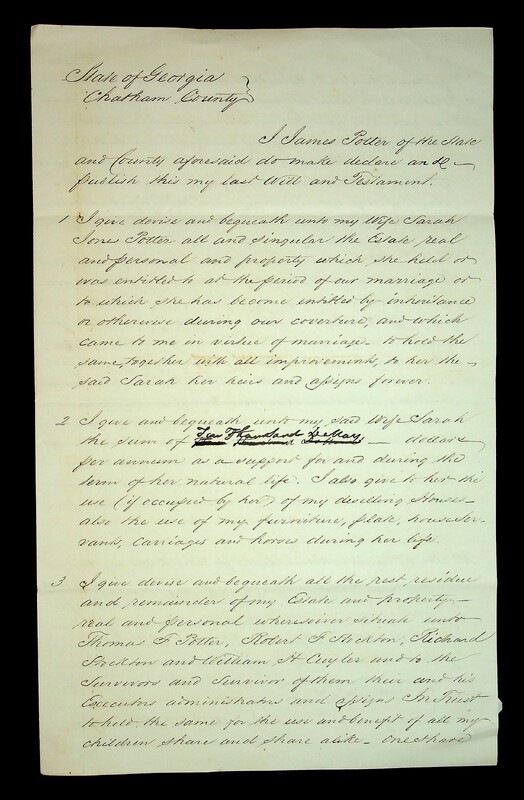
Scanned images of will for James Potter dated 03 May 1845. This document is part of Jones Memorial Library Manuscript Collection 1141, Potter Estate Papers, Box 1-3.
James Potter owned the Colerain and Tweedside Plantations in Savannah, Georgia. His will includes instructions about the disposition of Potter's property, including lands and enslaved persons.
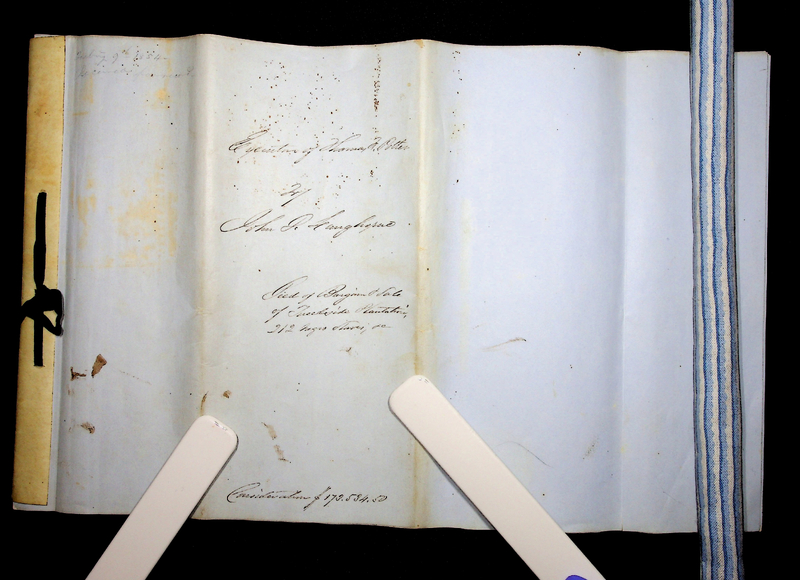
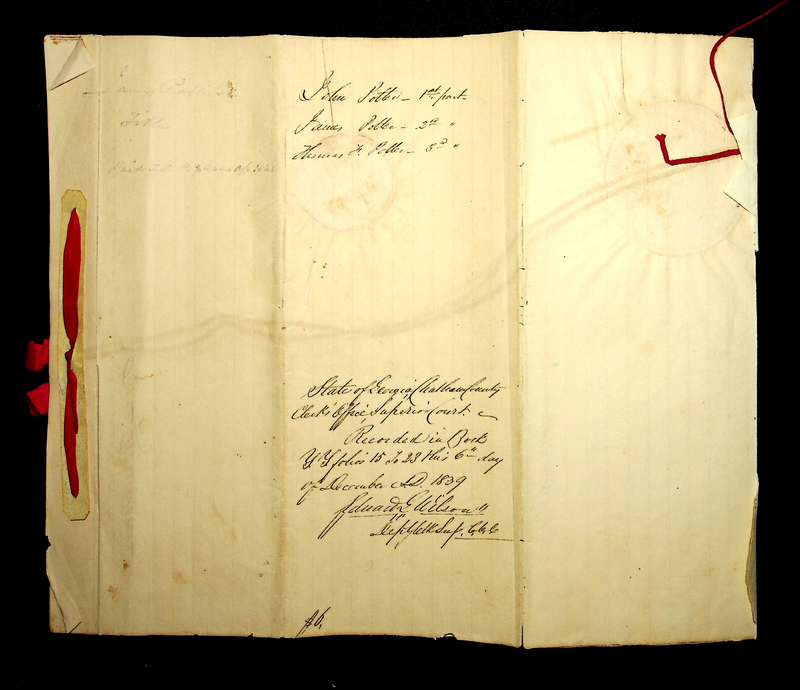
Digital images of Indenture of John Potter dated 05 May 1839 and recorded in the State of Georgia Chatham County Clerk Office of the Superior Court on 06 December 1839.
In the indenture, Potter divides his estate among his heirs while listing and enumerating more than 200 enslaved persons on his estate.
This will is part of Manuscript Collection 1141, the Potter Estate Papers, Box 1-2.
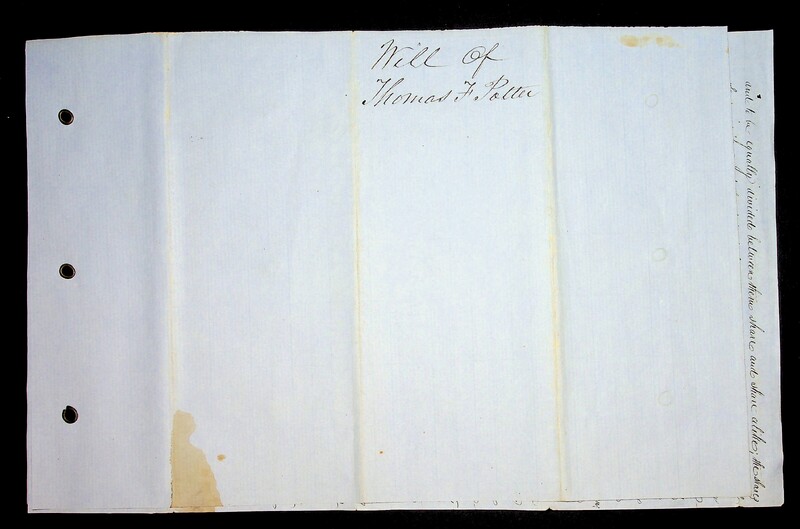
Scanned images of the Will of Thomas Potter dated 12 October 1853. This document is part of Jones Memorial Library Manuscript Collection 1141, the Potter Estate Papers, Box 1-3.
Thomas Potter owned the Colerain Plantation in Savannah, Georgia. His will includes instructions on disposition of land and enslaved persons.
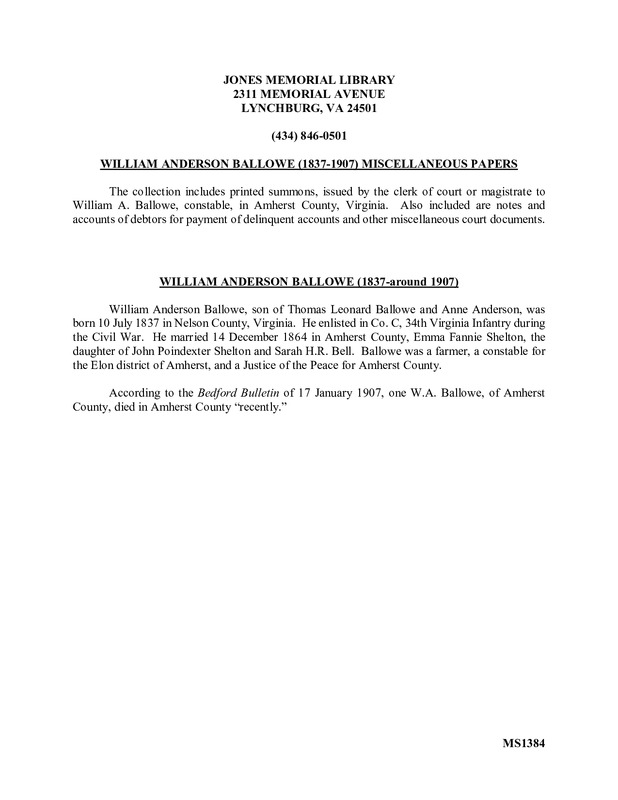
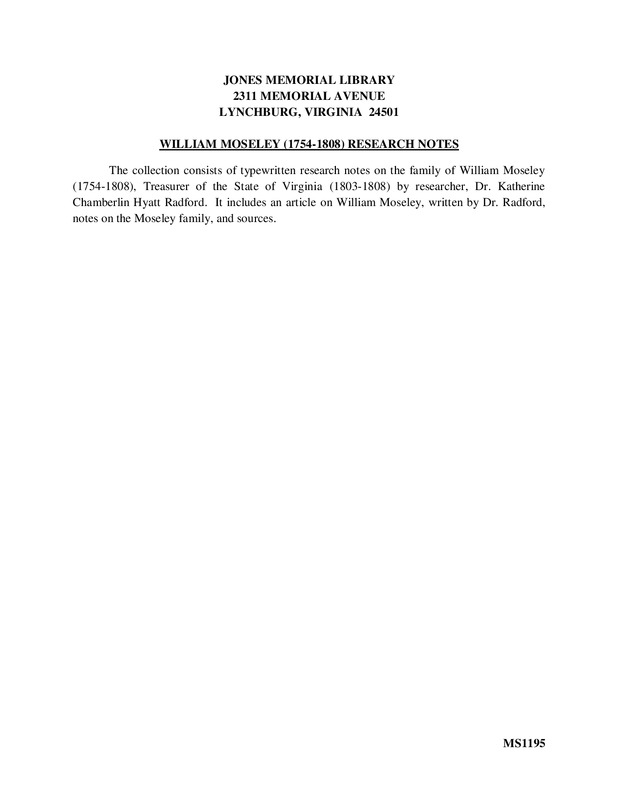
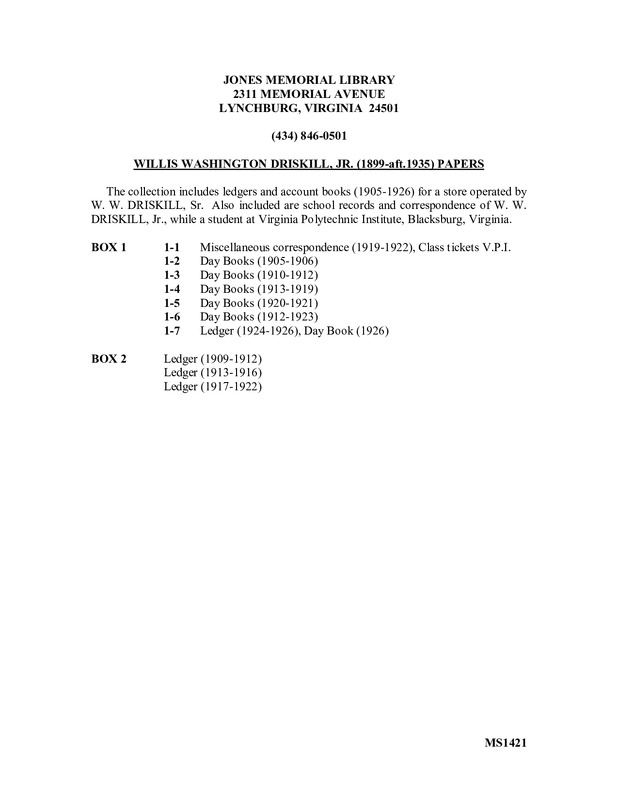
William Anderson Ballowe Miscellaneous Papers Held At Jones Memorial Library In Lynchburg, Virginia. The Papers Include Summons To Ballowe, A Constable In Amherst County, Virginia.
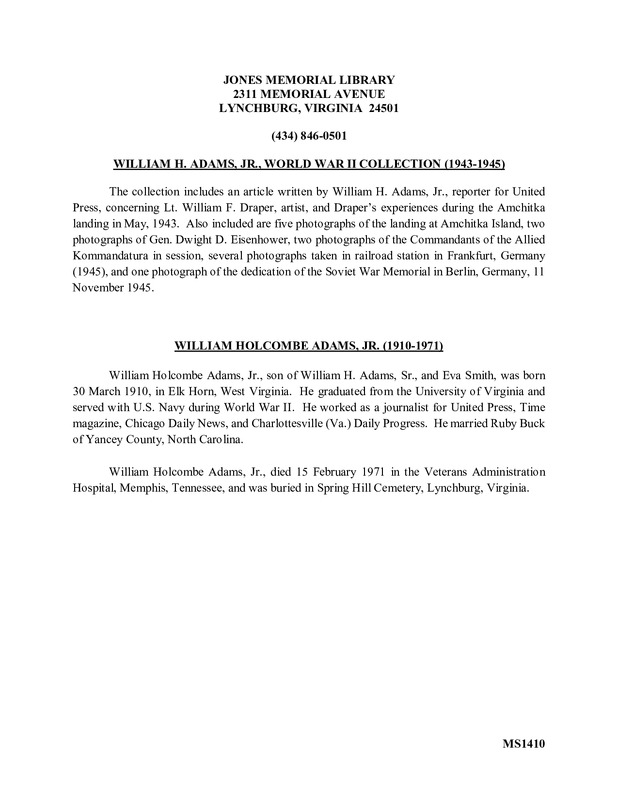
William H. Adams World War Ii Collection Held At Jones Memorial Library In Lynchburg, Virginia. The Collection Includes An Article About Lt. William F. Draper'S Experience During The Amchitka Landing In May 1943.
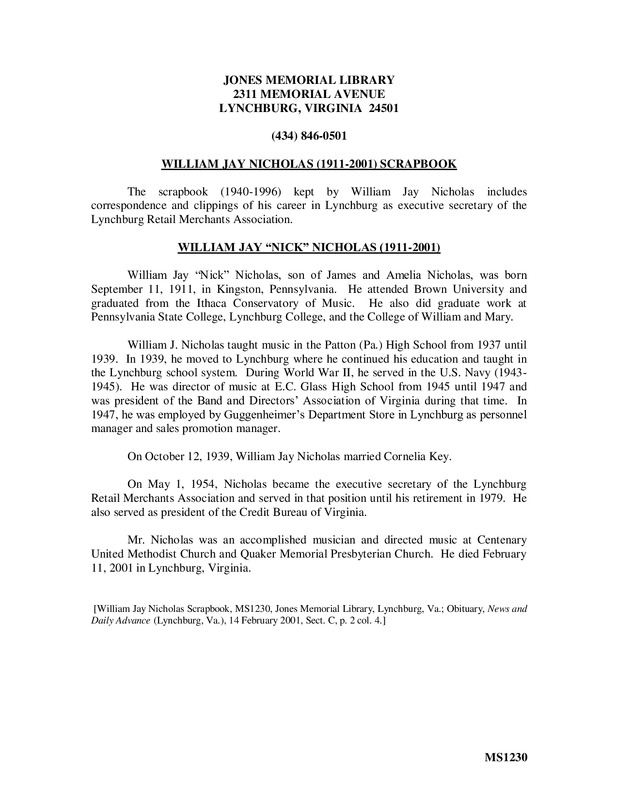
William Jay Nicholas Scrapbook Held At Jones Memorial Library In Lynchburg, Virginia. The Scrapbook Includes Correspondence And Clippings Related To Nicholas' Career As Executive Secretary Of The Lynchburg Retail Merchants Association.
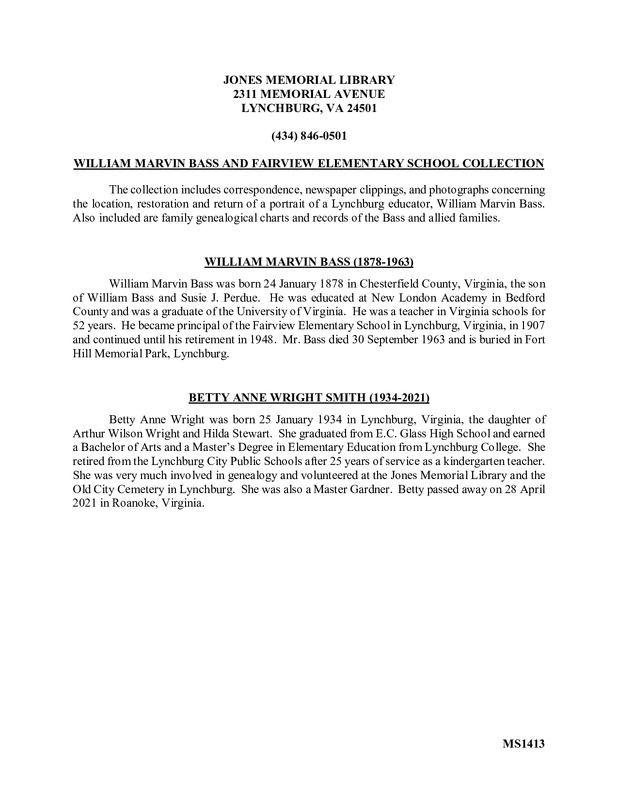
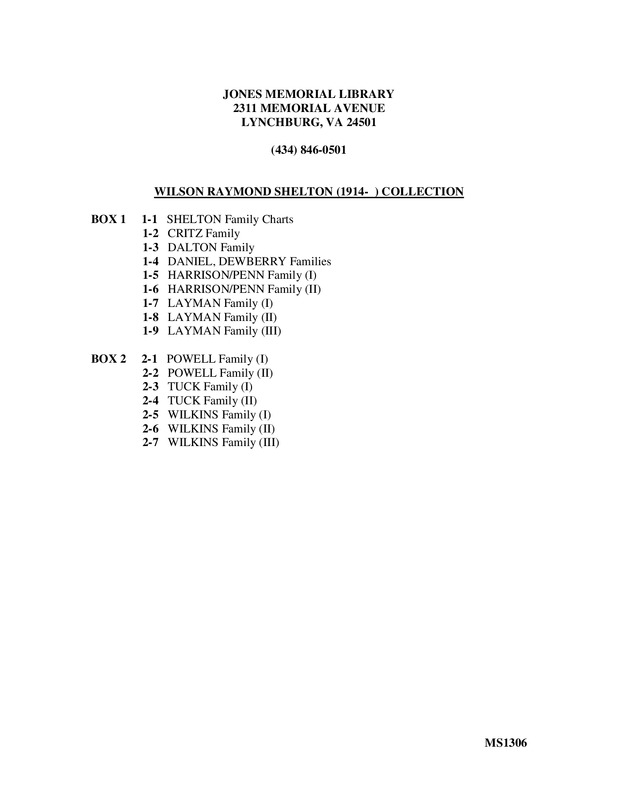
William Marvin Bass And Fairview Elementary School Collection Held At Jones Memorial Library. The Collection Includes Genealogical Charts And Records Of The Bass Family As Well As Records Related To A Portrait Of William Marvin Bass, Former Principal Of Fairview Elementary School.
Reverend Dennis Roberts' presentation "Witch Hunt" delved into the historical witch hunts of early modern Europe, focusing on the Germanic regions and the period from 1450 to 1750. It examined the societal and religious factors contributing to the persecution, particularly misogyny and patriarchy, noting that most victims were women. The talk also explored the enduring impact of these witch hunts on the treatment of women and questioned the modern use of the term "witch hunt" as a means to subtly perpetuate misogyny.
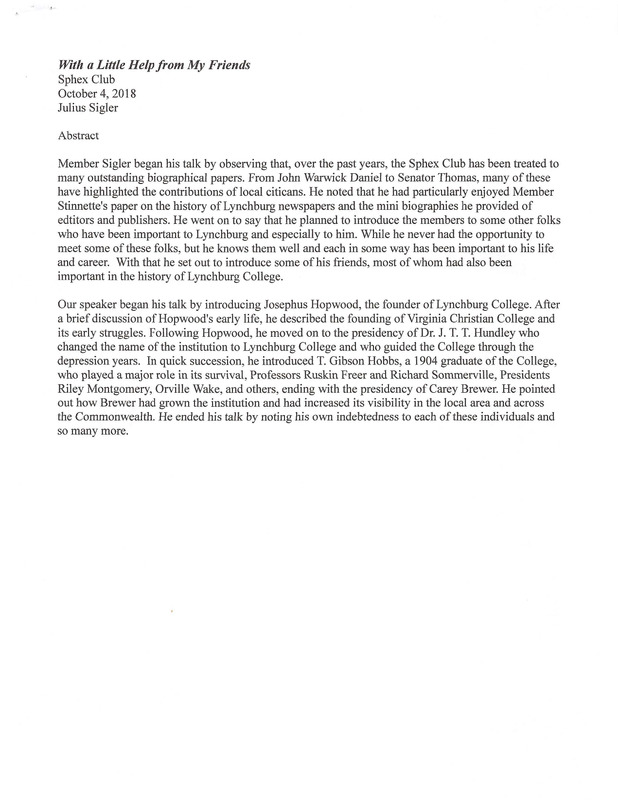
Text of a lecture delivered to the Sphex Club in Lynchburg. This paper by Julius Sigler offers a comprehensive overview of the key figures and developments in the history of Lynchburg College (LC), emphasizing the transformative role of education and community leadership in Lynchburg, Virginia. Sigler shares personal anecdotes and the biographies of influential individuals associated with LC, including its founding by Josephus Hopwood and the subsequent contributions of various educators, administrators, and students who have shaped the institution's legacy. The narrative highlights the importance of education grounded in Christian principles, the evolution of LC's academic and physical landscape, and the personal impact of these figures on Sigler's life and career.