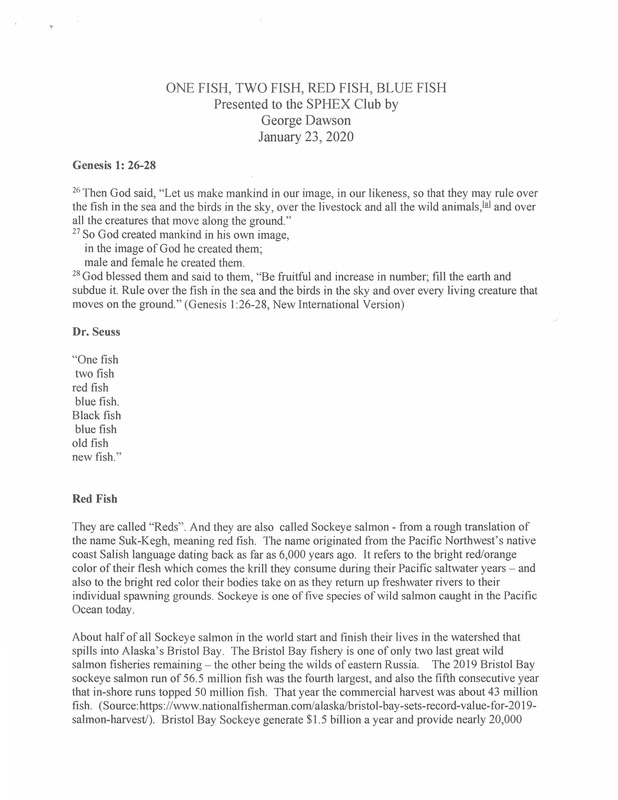
George Dawson's paper, "One Fish, Two Fish, Red Fish, Blue Fish," explores America's relationship with seafood, highlighting the environmental impact of seafood consumption and the challenges faced by marine ecosystems. Dawson emphasizes the importance of responsible seafood consumption and environmental awareness, focusing on issues like the threat to Sockeye salmon in the Bristol Bay watershed and the rise of aquaculture.
Operation Mulberry: An Episode in Modern History by John W. Landis recounts the strategic and innovative development of artificial harbors, known as Mulberry Harbors, during World War II. Landis offers a firsthand account of the massive military build-up in southern England for the D-Day invasion and the subsequent installation of these harbors to ensure the Allies' logistical support following their landing in Normandy. Despite challenges, including a devastating storm, the harbors were crucial in maintaining the flow of supplies necessary for the invasion's success. The paper emphasizes the ingenuity, determination, and cooperation among the Allies, showcasing a pivotal moment in modern military engineering and logistics.
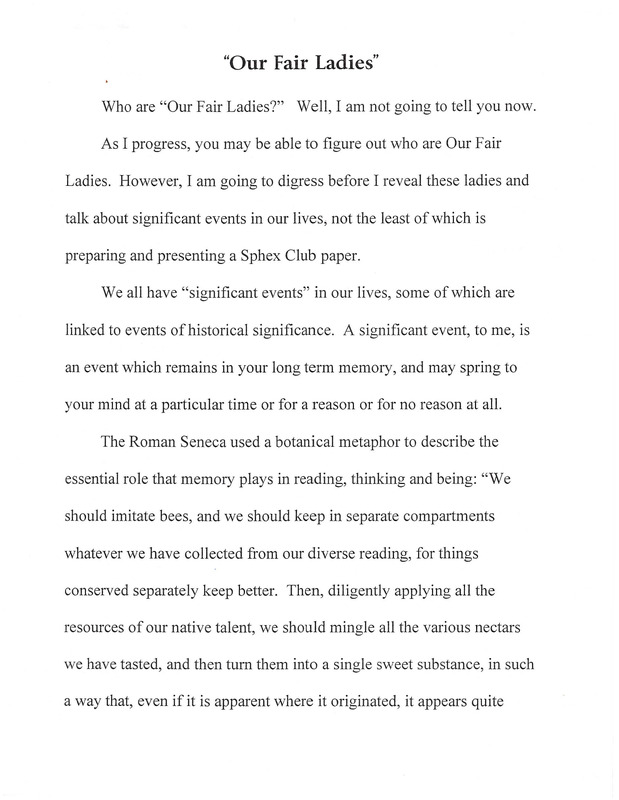
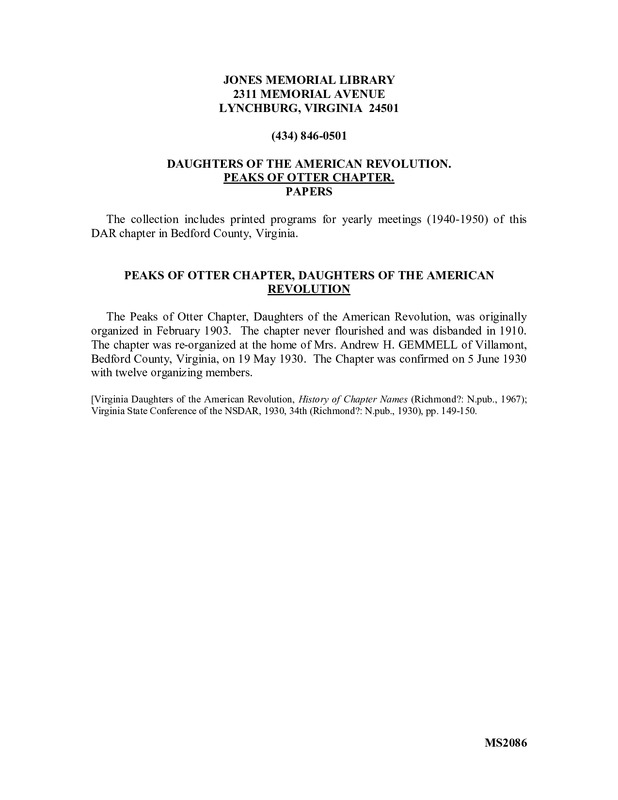
Text of a lecture to the Sphex Club in Lynchburg. Robert C. Wood III's reflective talk for the SPHEX Club, "Our Fair Ladies," delivered on November 1, 2012, traverses his life's significant events, embedding personal and historical narratives to underscore the shaping of personal identity and beliefs. Wood highlights key moments ranging from childhood memories of World War II, performing in an opera, to his experiences in law and as a football referee, leading up to a discussion on the transformative presence of women in the legal profession, particularly on the Supreme Court, symbolized by "Our Fair Ladies" - Justices Ginsburg, Sotomayor, and Kagan.
Text of a lecture to the Sphex Club in Lynchburg. The paper "Our Uncles: An Odd Couple" by Robert C. Wood, III, explores the complex relationship between John Adams and Thomas Jefferson. It highlights their contrasting personalities and political philosophies, their pivotal roles in the American Revolution and early government, and their eventual reconciliation through correspondence after years of political estrangement.
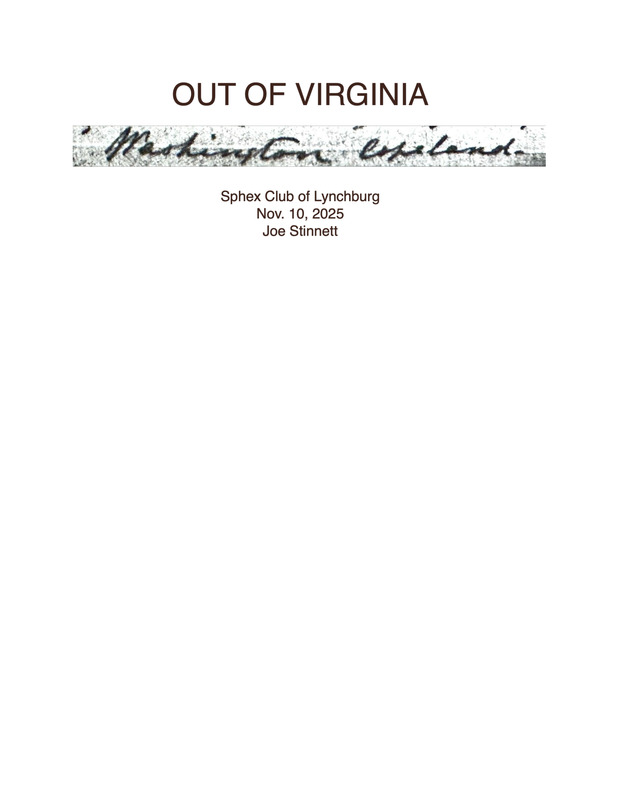
Text of a lecture delivered to the Sphex Club on November 6, 2025. Joseph Stinnett’s paper explores the little-known history of Black emigration from Lynchburg, Virginia, to Liberia between 1829 and 1865 through the American Colonization Society. Focusing on Washington Copeland, an enslaved carpenter who became a leading advocate for Liberian emigration, the talk examines the complex motivations behind colonization: white racism and coercion on one hand, and Black aspirations for citizenship, dignity, and self-determination on the other. Stinnett argues that many Black Virginians viewed Liberia as the only place where they could achieve full political rights denied them in the United States. The paper also critiques the Lost Cause mythology that obscured these histories after the Civil War. Through letters, records, and personal stories, Stinnett restores the humanity, agency, suffering, and determination of Lynchburg’s emigrants and their descendants.
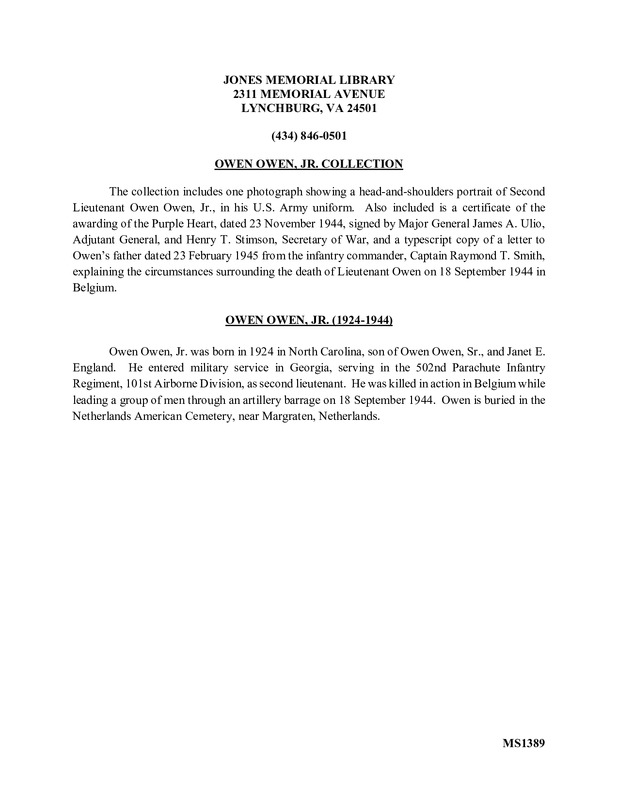
Owen Owen, Jr. Collection Held At Jones Memorial Library In Lynchburg, Virginia. The Collection Includes A Photograph And Purple Heart Certificate For Owen Owen, Jr. And His Service During World War Ii.
Dr. William Quillian, president of Randolph-Macon Woman’s College introduced his presentation by sharing his “pleasure and pride in the treasures found in Randolph-Macon's Collection of Paintings.” He proceeded to discuss the background of the art collection and showed pictures of a number of paintings that can be seen in the collection. President Quillian mentioned by name many Sphex Club members who helped make this collection possible.
This paper discusses the Panama Canal Treaties amidst significant debate, comparing current U.S. foresight to that of 1956, a period of major geopolitical shifts. It criticizes the main arguments for ceding control by 2000, emphasizing the Canal's continuing strategic importance and the need for U.S. military presence and authority. It advocates for revising the treaties to secure U.S. interests, citing historical errors in negotiations and potential threats.
Papers Of The Patrick Henry Chapter Of The Virginia Society Of The Sons Of The American Revolution Held At Jones Memorial Library In Lynchburg, Virginia. Collection Includes Scrapbooks, Minutes, Correspondence, Photographs, Records, And Newsletters.
Paramount Theater Papers.
Digitized items from the collection include scans of photographs of Lynchburg's Paramount Theater and printed theater tickets. These items were part of the Jones Memorial Library 2025-26 exhibit "READ: What does it mean to read free in Central Virginia."
The collection includes photographic negatives and proof prints of portraits,
weddings and graduations photographed by William C. Parker, Jr. of William Parker
Studio, Lynchburg, Virginia between 1954 and 1961. The collection includes 1,131
subjects, some with multiple photonegatives.
Text of a lecture to the Sphex Club in Lynchburg. The paper "Patriotism and Prejudice" by Robert C. Wood, III examines the internment of Japanese Americans during World War II following the attack on Pearl Harbor. It details the fear, racial prejudice, and political and military actions that led to the internment, highlighting key players and legal battles. The paper argues that the internment was driven by hysteria and prejudice rather than genuine military necessity.
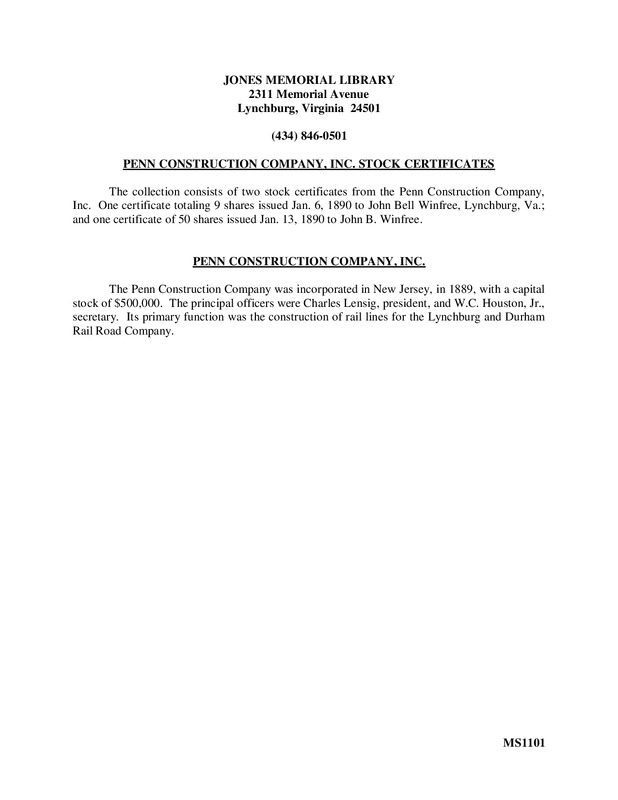
Penn Construction Company, Inc. Stock Certificates Held At Jones Memorial Library. There Are Two Certificates Issued In January 1890 To John Bell Winfree .
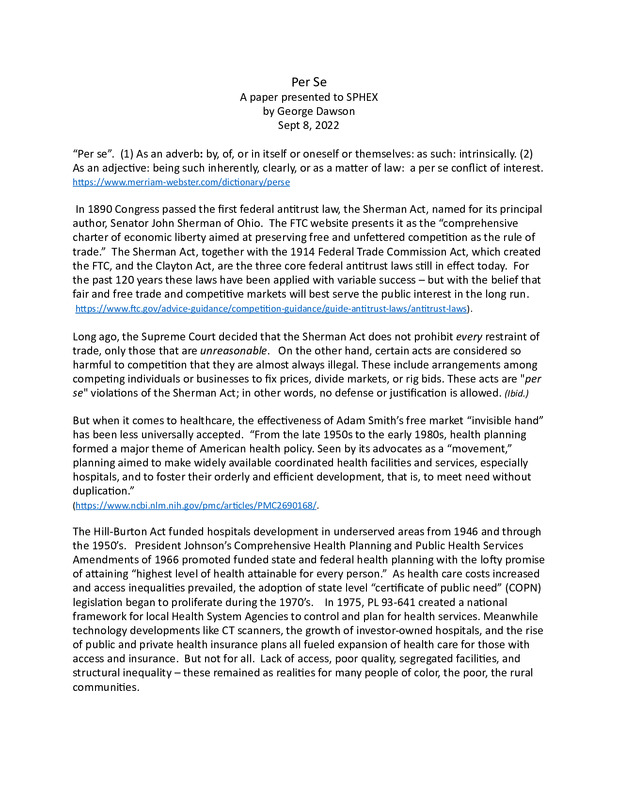
This academic paper by George Dawson focuses on the merger of Lynchburg General Hospital and Virginia Baptist Hospital into Centra Health. It explores the intricate dynamics of hospital cooperation, competition, and strategic decision-making in Lynchburg's healthcare sector from the 1970s through 1987. The narrative highlights key legislation, community and medical staff involvement, and the shifting landscape of healthcare administration that influenced the merger, framed within broader antitrust concerns and healthcare policy.
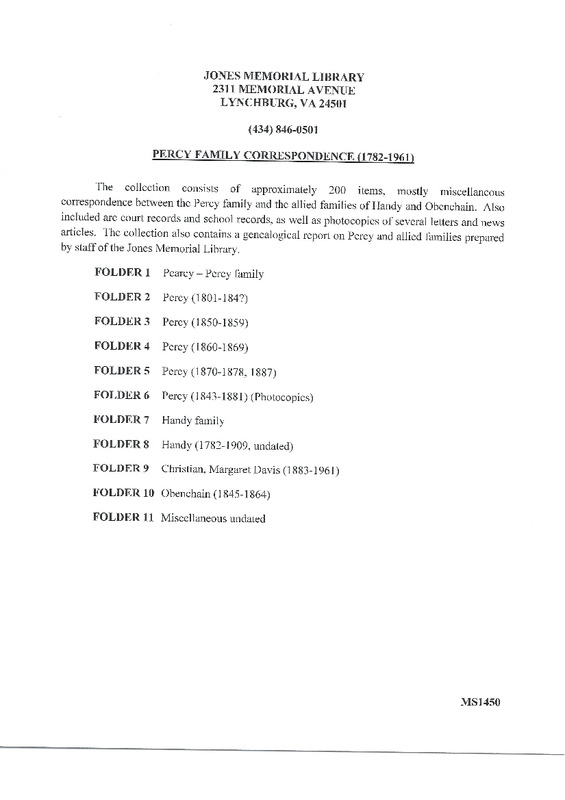
Percy Family Correspondence Held At Jones Memorial Library In Lynchburg, Virginia.
The Collection Includes 200 Items And Letters Between Members Of The Percy, Handy, And Obenchain Families In Lynchburg, Virginia.
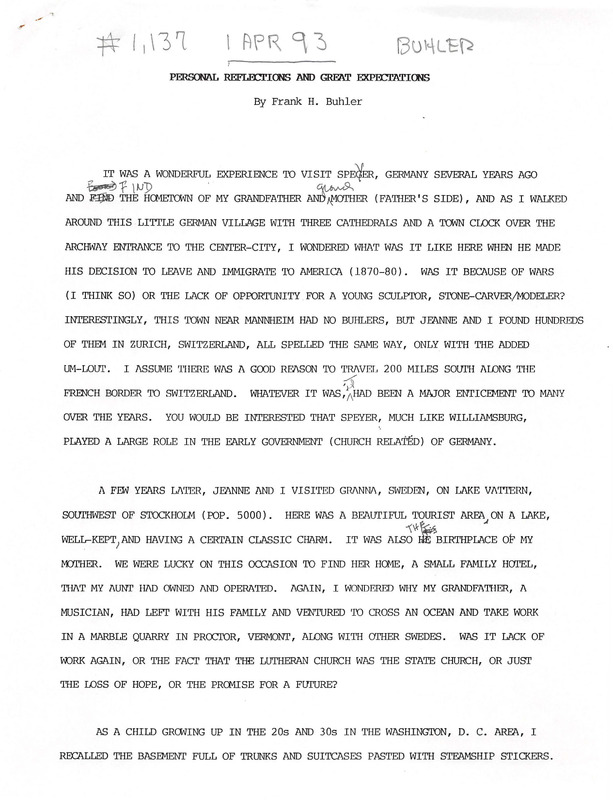
Frank H. Buhler's "Personal Reflections and Great Expectations" recounts his visits to ancestral homes in Germany and Sweden, exploring his family history and the broader impact of immigration on the United States. Buhler reflects on the experiences of various immigrant groups, their motivations, and their contributions to American society, emphasizing the individuality within the collective immigration narrative.
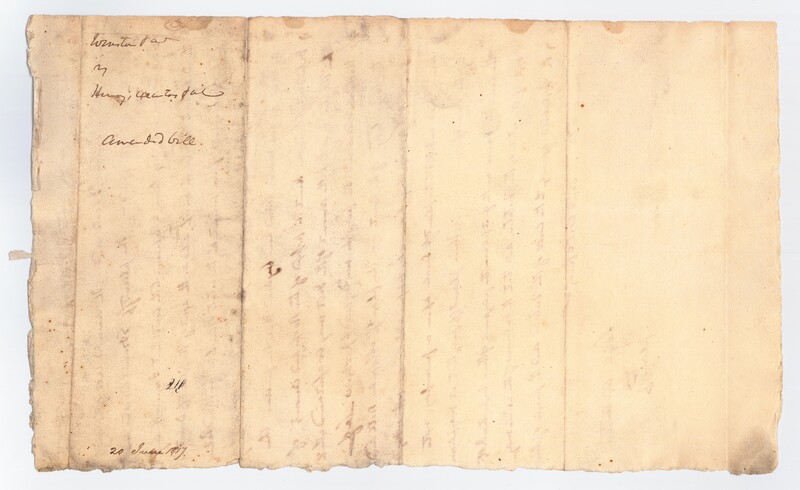
Digital reproduction of the Petition for Edmund & Dorothea Winston held as Manuscript 2060 at Jones Memorial Library in Lynchburg, Virginia.
The handwritten document is a portion of a petition filed in 1817 by attorneys Leigh & Anthony on behalf of Edmund & Dorothea Winston against the executors of Patrick Henry's estate.
Dorothea Dandridge married Patrick Henry in 1777 and survived him.
A condition of his 1799 will stipulated that she would forfeit her inheritance upon remarriage.
Dorothea married Judge Edmund Winston in 1802. Edmund Winston was Patrick Henry's first cousin and an executor of his estate. Following the Winstons' marriage, a lawsuit was brought against the couple, which delayed probation of Henry's will.
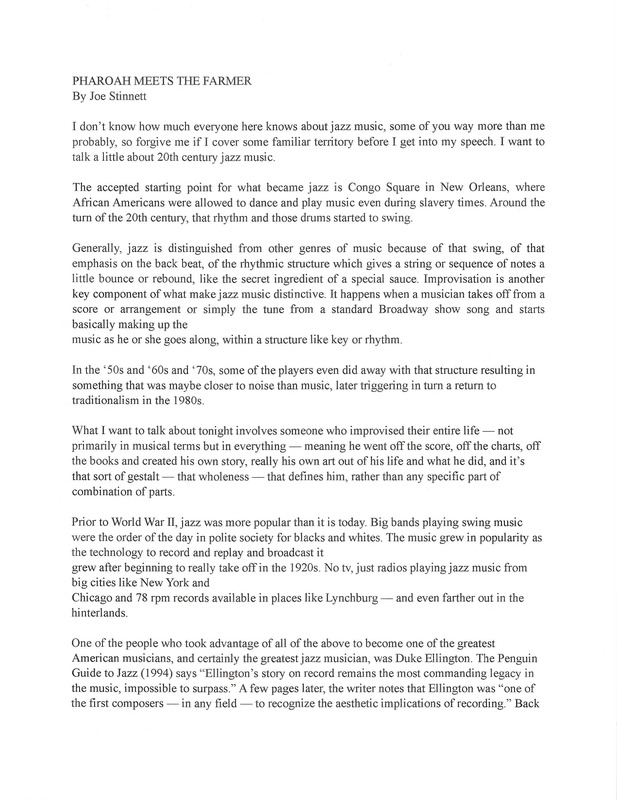
Text of a lecture delivered to the Sphex Club in Lynchburg. Joe Stinnett's paper, "Pharaoh Meets the Farmer," explores the evolution and essence of jazz music, focusing particularly on the life and work of Sun Ra. It traces jazz's roots from Congo Square to its transformation into bebop and free jazz. Sun Ra's eclectic interests and innovative contributions to jazz, combining mysticism, afro-futurism, and avant-garde music, are highlighted, illustrating his profound yet unconventional impact on the genre.